by Michael Keizer on June 11, 2010

- Crown Agents are looking for senior procurement specialists for their office in Arlington VA (USA) and Malawi; procurement specialists for Mongolia and Malawi; an ARV logistics officer for Botswana; a procurement consultant for Tanzania; a supply chain operations manager for Malawi; an SCMS deputy country director for Rwanda; a logistics assistant for their office in London (UK); public procurement advisors for several countries; and a team leader for Malawi
- Save the Children is looking for an operations director, a senior procurement specialist and two roving logistics specialists for Haiti; a senior manager procurement, contracts and compliance for the West Bank/Gaza; and two senior logistics specialists to be based in Washington DC (USA).
- Maxwell Stamp is looking for a project costing and procurement specialist for Laos
- UNICEF is looking for a procurement assistant for their office in Geneva (Switzerland), a contracts officer for their office in Copenhagen (Denmark), and a supply and logistics specialist for North Korea. Sorry, no links, they still hide their vacancies behind a registration process.
- DanChurchAid is looking for a field logistics officer for Katanga (Congo DRC).
- Merlin is looking for deputy logistics coordinators for Côte d’Ivoire and Congo (DRC); a logistician for Congo (DRC); logistics managers for South Sudan, Kenya, Pakistan, Congo (DRC), and the Central African Republic; a logistics/administration officer for Gode (Ethiopia); senior logisticians for Grand Kru and Montserado (Liberia); and a surge logistics officer for South Sudan.
- JSI is looking for a deputy chief of party SCMS for Nigeria.
- Concern Worldwide is looking for a transport manager for Haiti; an assistant country director systems for Afghanistan; and a general systems manager and a logistics and administration coordinator for Zambia.
- The IRC is looking for logistics managers for Congo (DRC) and Haiti.
- The IFRC is looking for a trainee logistics delegate for based in Kuala Lumpur (Malaysia), an operation coordinator for Guatemala, a head of support services based in Panama City (Panama), a procurement delegate for Haiti, and a senior procurement officer based in Geneva (Switzerland).
- MSH are looking for a senior program associate – supply planning/MIS/M&E for Bangladesh.
[Image: Job opportunities by Coffeechica. Some rights reserved.]
{
by Michael Keizer on February 28, 2010

- One that is a bit different from our regular fare: Emory University (Atlanta, USA) is looking for a coordinator, programme logistics to coordinate distribution of a large donation antibiotics for the International Trachoma Initiative.
- IRC is looking for for a senior logistics coordinator for Congo (DRC), a logistics technical specialist for Chad and Congo (DRC), a logistics process and controls documentation consultant for their HQ in the USA, a logistics manager for Haiti, and a logistics coordinator for their refugee programme in the USA.
- Merlin is looking for logisticians for North Maniema, Congo (DRC) and for Haiti/Dominican Republic; logistics coordinators for Liberia, Kenya, Haiti, and Congo (DRC); and a supply chain coordinator for Congo (DRC).
- Oxfam GB is looking for a regional logistics manager for West Africa, based in Dakar (Senegal). Apparently they are also looking for a regional logistics manager for Latin America and the Caribbean and a logistics coordinator for Sudan, but this is not advertised on their own site.
- Save The Children UK is looking for a logistics adviser for Angola. They also seem to be looking for a global supply chain manager (based in the UK), but I cannot locate this vacancy on their site.
- The IMC is looking for logistics coordinators for Haiti and Congo (DRC), and a logistics and commodities officer for their HQ in the USA.
- Management Systems International (MSI) is looking for an administration and logistics coordinator for Afghanistan. They also seem to be looking for a deputy chief of party, finance and logistics management for Afghanistan, but that vacancy is not advertised on their own site.
- The Louis Berger Group is looking for an administration and logistics coordinator for Afghanistan; I suspect that this is the same position that is advertised by MSI. They are also looking for a procurement manager for Afghanistan.
- Intermón Oxfam is looking for a logadmin officer for Abéché (Chad) and a logistics officer for Warrab State (Sudan).
- The American Refugee Committee (ARC) is looking for a logistics and security coordinator for Haiti.
- Apparently, the Samaritan’s Purse is looking for a program manager, logistics for Haiti, but this vacancy is not advertised on their site.
- Populations Services International (PSI) are looking for a consultant, operations and logistics technical advisor for Haiti; and a contracts analyst, a contracts assistant, a senior Zprocurement and logistics officer, a voluntary pooled procurement and logistics officer and a senior ditto, all for the HQ in Washington DC (USA).
- Solidarités are looking for a logistics coordinator, a logistician, and a distribution manager for Haiti; an administrative and logistics coordinator for Zimbabwe, and a logistics and administrative field coordinator for Teknaf (Bangladesh).
- ACTED is looking for logistic interns for Chad and Haiti, country logistic managers for Sudan, Chad and Haiti, and country logistic and security managers for Yemen and Iraq.
- UNICEF are looking for a logistics officer for Sierra Leone, two supply and logistics specialists for Senegal, a senior contracts assistant for their HQ in New York (USA), a logistics specialist for Chad, a procurement assistant – planning for their supply division in Copenhagen (Denmark). As usual, their vacancies are hidden in a password-protected system, so I cannot link. Please don’t forget to bitch about this when applying!
- The British Red Cross is looking for a logistician for their emergency response unit.
Sigh. Did anyone read my earlier rant on bad job advertisement practices?
[Image: Job opportunities by Coffeechica]
{
by Michael Keizer on May 31, 2009
by Michael Keizer on May 25, 2009
by Michael Keizer on April 10, 2009
by Michael Keizer on April 5, 2009
by Michael Keizer on March 23, 2009
I never thought I would ever feature an article from Marie Claire, but maintaining a blog takes you places. In a recent issue, they interviewed Danielle Aitchison, a pilot for the UN’s Humanitarian Air Services. Anybody who has ever worked in humanitarian hotspots will know how important UNHAS’ services are for logistics operations, and even though I have some reservations about the content and general tone of the interview, it still well worth reading. Enjoy!
Discover Simple, Private Sharing at
Drop.io
{
by Michael Keizer on March 14, 2009
by Michael Keizer on March 14, 2009
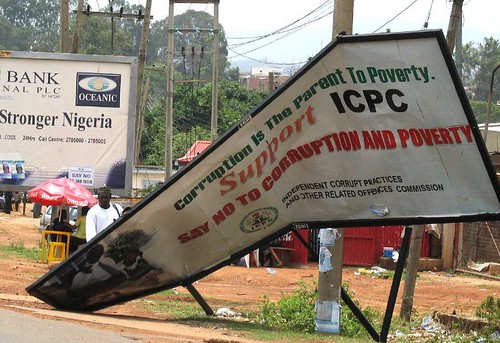
Michael Kleinman continues to publish one of the most thoughtful and insightful blogs on aid work on his ‘Humanitarian Relief’ mini-site at change.org. This should be on your required-reading list if you are in any way interested in humanitarian relief.
One of his more humorous postings deals with allegations of corruption towards InterSOS, an Italian NGO that (mis)handled a hospital project in Afghanistan. Whether or not InterSOS mishandled the project itself, one thing is sure: they definitely made a mess of the PR side of things.
So what are some lessons that we can learn?
- Make sure that you can articulate the added value of your organisation in every project. InterSOS has left the damaging impression (warranted or not) that they have skimmed off a large part of the available funds for the project without being able to demonstrate what they have delivered in return.
- Make sure that you can communicate the measures that you have taken to minimise fraud and corruption. Make sure that your logistics processes address these issues, and that you are able to tell how they do. InterSOS has never been able to tell us what exactly they did to avoid fraud and corruption.
- When addressing allegations like this, taking legal action is usually counterproductive. InterSOS mentions that they have started legal proceedings seeking compensation. Whether they will be succesful is an open question to me (I just love that pithy acronym IANAL), but I am pretty certain that the negative effects of their litigation (cost, loss of reputation) will easily outweigh the funds recuperated (if any).
- Never, never, never require that anything is ‘taken from the internet’. It won’t happen. Yes, The Guardian has removed the video, but copies are archived in many other places (e.g. Michael Kleinman’s blog, as well as YouTube). You will not be able to eradicate whatever is published about you, but you will succeed in giving the impression that you have something to hide. It is much more effective to ask for a rectification on the same page — if The Guardian would have distanced itself from its reporter on the same page as it published the video, things would have looked decidedly different.
- If you publish a press release in a language in which you are not fluent, make sure it gets copy-edited by somebody who is. InterSOS’ press release is a terrific example of Italish, and as such is rather funny, but it does not leave a very professional image — and that is putting it mildly.
Any additions? Experiences from readers who have been confronted directly with this sort of media scrutiny?
(Photo: Anti-corruption sign by Mike Blyth. Some rights reserved.)
{

